
Tips for Storing Items Long-Term
Keep your belongings safe and in great shape, even after months in storage.
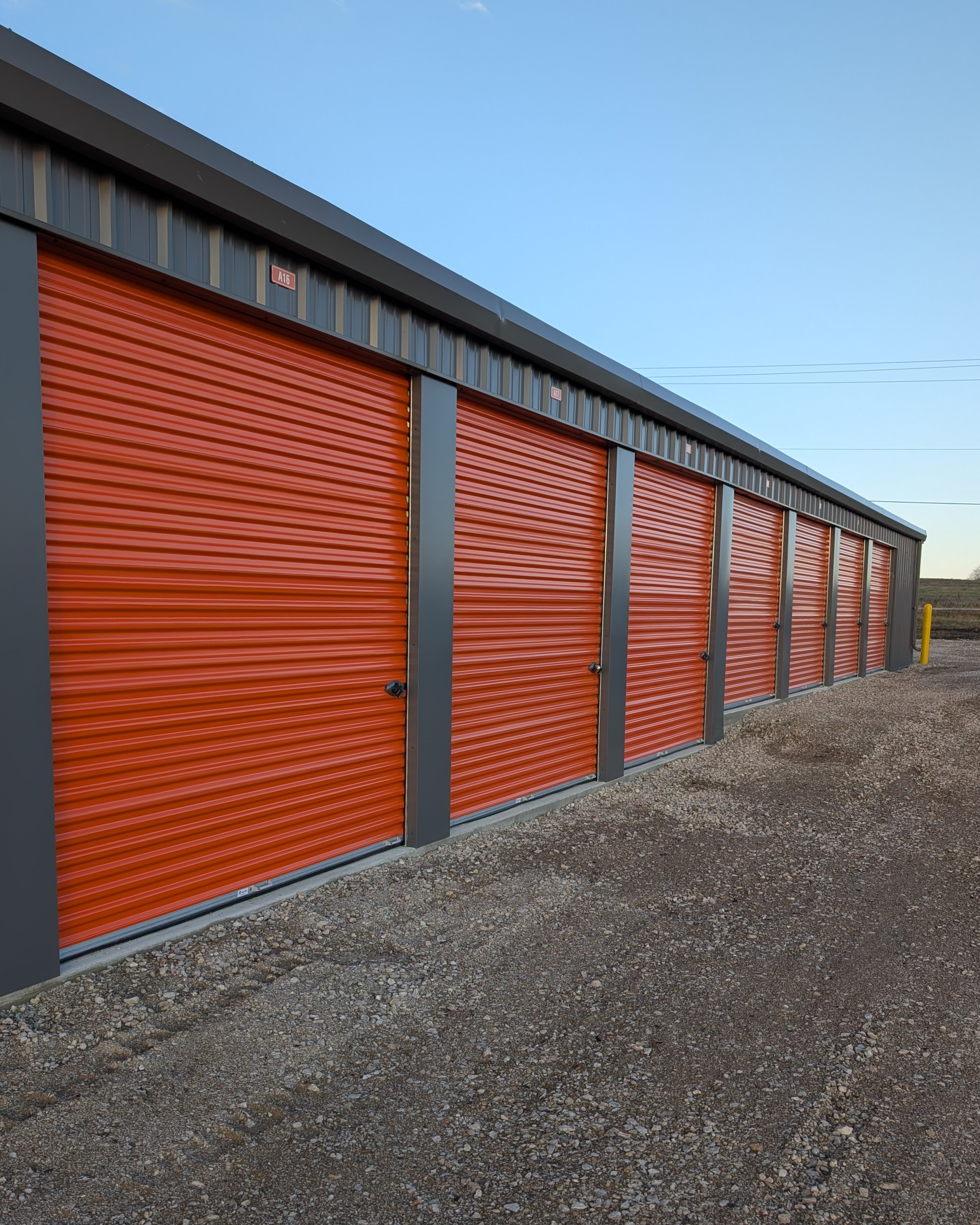
Whether you're storing furniture between homes in Fort Scott, keeping seasonal farm equipment out of the way, or holding onto family heirlooms you're not ready to part with, long-term self storage takes more planning than a quick, short-term stint. You're not just tossing things in for a weekend — you're asking your belongings to sit tight through Kansas heat, humidity, cold snaps, and everything in between.
The good news is that with the right approach, your items can come out of a mini storage unit looking just as good as the day they went in — even after a full year or more. Here at Bourbon County Storage on Richards Road, we've helped hundreds of Fort Scott families and businesses store their stuff long-term. These tips come straight from what we've seen work (and what we've seen go wrong when folks skip a step).
Choose the Right Packing Materials
Not all boxes are created equal, and this matters a lot more for long-term storage than for a quick weekend move. For items that will be sitting in a self storage unit for months or years, invest in sturdy, uniform-sized boxes that stack well and hold up over time. Avoid used grocery store boxes — they can attract pests, absorb odors, and collapse under the weight of other boxes after a few months.
- Plastic bins with locking lids are ideal for items that need extra protection from dust and moisture. They cost more upfront, but they last forever and stack perfectly. Great for documents, photos, and anything irreplaceable.
- Bubble wrap and packing paper work much better than newspaper for wrapping fragile items. Newspaper ink can transfer onto dishes, glassware, and fabrics over time, leaving stains that are tough to remove.
- Furniture covers or old cotton sheets protect upholstery and wood surfaces from dust buildup. You'd be surprised how much dust can accumulate even in a sealed unit over several months.
- Mattress bags are a must. They keep your mattress clean, dry, and protected from dirt. A quality mattress is expensive to replace, and a two-dollar bag can save it.
- Packing tape and markers — don't skimp on tape. Cheap tape dries out and peels off in storage. Use a quality packing tape that will still hold six months from now.
You can pick up most of these supplies at stores in Fort Scott or order them online. Either way, spending a little on good materials now saves you from dealing with damaged items later.
Protect Against Kansas Humidity
Anyone who's lived in Bourbon County for a summer knows about the humidity. Southeast Kansas gets sticky from June through September, and then the air dries out through the winter months. Those swings in moisture can cause problems for items in long-term mini storage if you don't plan ahead.
Even in a well-built, sealed unit like the ones at our Richards Road facility, it's smart to take extra precautions against moisture buildup. Here's what works.
- Place moisture absorbers inside your unit. Calcium chloride moisture absorbers work well and are inexpensive. Set one or two on the floor of your unit and plan to replace them every couple of months. They pull excess moisture out of the air before it can settle on your belongings.
- Keep items off the ground. Use wooden pallets, plastic shelving, or even a few two-by-fours to elevate boxes and furniture a few inches off the floor. This allows air to circulate underneath and prevents moisture from wicking up into cardboard or fabric.
- Never store anything damp. Make sure all items — especially clothing, bedding, upholstery, and outdoor gear — are completely dry before they go into storage. One damp blanket in a sealed box can lead to mold that spreads to everything else in the container.
- Avoid plastic wrap directly on furniture. This is a common mistake. Plastic traps moisture against surfaces and creates the perfect environment for mold and mildew. Use breathable cotton covers or moving blankets instead.
If you're storing items through the summer — say, between the end of school and a fall move — humidity protection is especially important. A little effort now means your couch doesn't come out smelling musty six months later.
Pack Smart and Label Everything
Six months from now, you will not remember what's in that unlabeled brown box. Trust us — we hear it all the time. Tenants come in to grab one specific thing, and they end up opening every box in the unit trying to find it. Save yourself that headache with a simple system.
Label every box on at least two sides with its contents and which room it belongs to. Use a thick marker that's easy to read from a distance. "Kitchen — pots, pans, baking sheets" is much more helpful than just "kitchen stuff."
For extra organization, keep a simple inventory list on your phone or in a notebook. Number each box and jot down what's inside and roughly where it sits in the unit. Some folks even take a quick photo of the unit layout after loading so they can remember where everything is. You'll thank yourself the first time you need to find something specific.
If you're storing items from different rooms or for different family members, consider using colored tape or stickers to group boxes by category. When it's time to unload — whether you're moving into a new place near Gunn Park or setting up a home on the other side of town — you'll be able to sort everything quickly.
Furniture Storage Tips
Furniture takes up the most space in any self storage unit, and it's also the most vulnerable to damage over time if it's not stored correctly. Here's how to keep your furniture in great shape during a long stay in mini storage.
- Disassemble what you can. Break down bed frames, dining tables, desks, and shelving units. You'll save a surprising amount of floor space, and flat pieces are much easier to stack and arrange. Keep all hardware — screws, bolts, Allen wrenches — in labeled plastic bags and tape them directly to the furniture piece they belong to.
- Clean upholstery thoroughly before storing. Vacuum couches and chairs, and treat any stains. Stains that seem small now can set permanently after months in storage, especially in warm conditions.
- Use breathable covers, not plastic. Cotton sheets, old blankets, or commercial furniture covers let air circulate while keeping dust off. Plastic wrap traps moisture and is one of the top causes of mold on stored furniture.
- Stand couches and mattresses on end to save floor space and reduce pressure on cushions and springs. Just make sure they're stable and won't tip over onto other items.
- Treat wood furniture with polish or wax before storing. This adds a layer of moisture protection and keeps the finish from drying out and cracking over time.
Electronics and Appliances
Electronics are more sensitive than most people realize, especially to the temperature swings we get here in southeast Kansas. A storage unit can go from freezing in January to over a hundred degrees in July. That kind of range can damage circuit boards, screens, and batteries if items aren't packed properly.
If possible, store electronics in their original boxes with the original foam inserts. The manufacturer designed that packaging to protect the item during shipping, and it works just as well in storage. If you don't have the original box, wrap each item in anti-static bubble wrap and place it in a sturdy box with plenty of padding around all sides.
For large appliances like refrigerators, washers, and dryers, clean and dry them thoroughly before moving them in. Any leftover moisture inside a sealed appliance is a recipe for mold and bad odors. For refrigerators specifically, leave the door slightly ajar so air can circulate inside — and prop it open with a small rolled towel so it stays put.
Remove batteries from anything that has them. Batteries can corrode and leak over time, damaging the electronics they're inside. Store batteries separately in a sealed bag.
Seasonal Items Bourbon County Residents Store
Long-term storage doesn't mean "set it and forget it" for everyone. A lot of our tenants at Bourbon County Storage use their units as an extension of their home, cycling items in and out with the seasons. This is especially common in Fort Scott, where outdoor life is a big part of the year.
- Spring/Summer storage: Snow blowers, heavy winter coats, holiday decorations, space heaters, and winter sports gear go into the unit when warm weather arrives.
- Fall/Winter storage: Lawn mowers, weed trimmers, patio furniture, grills, camping gear, and pool supplies get tucked away once the cold rolls in.
- Year-round storage: Hunting and fishing equipment, farm supplies, business records and inventory, family keepsakes, and items being held for kids who've moved away.
Having a well-organized unit makes seasonal swaps quick and painless. If you know the Christmas decorations are in the blue bins on the left side of the unit, you can be in and out in ten minutes. Our facility has drive-up access on every unit, so you can pull your truck right up to the door — no hauling boxes across a parking lot.
Fort Scott folks heading out to the Bourbon County Fair in the summer or spending fall weekends near the Fort Scott National Historic Site often use their storage unit as a home base for seasonal gear. It keeps the garage clean and everything organized.
Check In on Your Unit Periodically
Even if you don't need anything from your self storage unit, it's a good idea to visit every couple of months. A quick check-in lets you spot potential issues early — a moisture absorber that needs replacing, a box that's started to sag, or anything that just doesn't look right. Catching small problems early prevents big ones later.
Our Fort Scott facility at 2510 Richards Road is easy to get to, just off Highway 69, and a check-in usually takes less than ten minutes. Walk in, take a quick look around, replace your moisture absorber if needed, and you're done. With 24/7 security monitoring on-site, you can visit whenever it's convenient for you.
Consider Tenant Protection for Long-Term Storage
For long-term storage especially, a tenant protection plan is worth serious consideration. Your homeowner's or renter's insurance might not cover belongings stored off-site — and even if it does, deductibles can be high. A tenant protection plan through Bourbon County Storage covers your belongings against unexpected events like fire, water damage, theft, and more.
Plans start at just a few dollars per month and give you real peace of mind, especially when you're storing furniture, electronics, or family heirlooms that would be expensive or impossible to replace. When your stuff is sitting in a unit for months or years, that small monthly cost is well worth the coverage. Check out our tenant protection page for details on plan options and what's covered.
Frequently Asked Questions About Long-Term Storage
How long can I keep a storage unit?
As long as you need it. At Bourbon County Storage, all of our leases are month-to-month with no long-term contracts. Some of our tenants have had their units for years. Others use them for a few months during a move or renovation. There's no minimum or maximum — you stay as long as the unit is useful to you, and you can cancel anytime.
Will my stuff get moldy?
Not if you follow the tips in this guide. The biggest causes of mold in mini storage are storing damp items, wrapping furniture in plastic, and skipping moisture absorbers. Keep everything dry, use breathable covers, elevate items off the floor, and check in periodically. Fort Scott's humidity is real, but it's manageable with basic precautions.
Do I need to visit my unit regularly?
You don't have to, but we recommend stopping by every two to three months if your items are in long-term self storage. It only takes a few minutes and lets you catch any small issues before they become big ones. Think of it like checking on your house when you've been away — a quick look around goes a long way.
What shouldn't I store long-term?
Perishable food, anything flammable or hazardous, live plants, and items with sentimental value that can't be replaced (like original family documents) without proper protective storage. Batteries should be removed from electronics. Check our FAQ page for a full list of items that aren't permitted in storage units.
Have more questions about long-term storage at our Fort Scott facility? Give us a call at (620) 644-0735. Bourbon County Storage is locally owned and veteran-operated by Midwest Storage Solutions, LLC, and we're always happy to help you figure out the best way to keep your belongings safe. Stop by 2510 Richards Road anytime — we'll walk you through the options.
More from the Blog
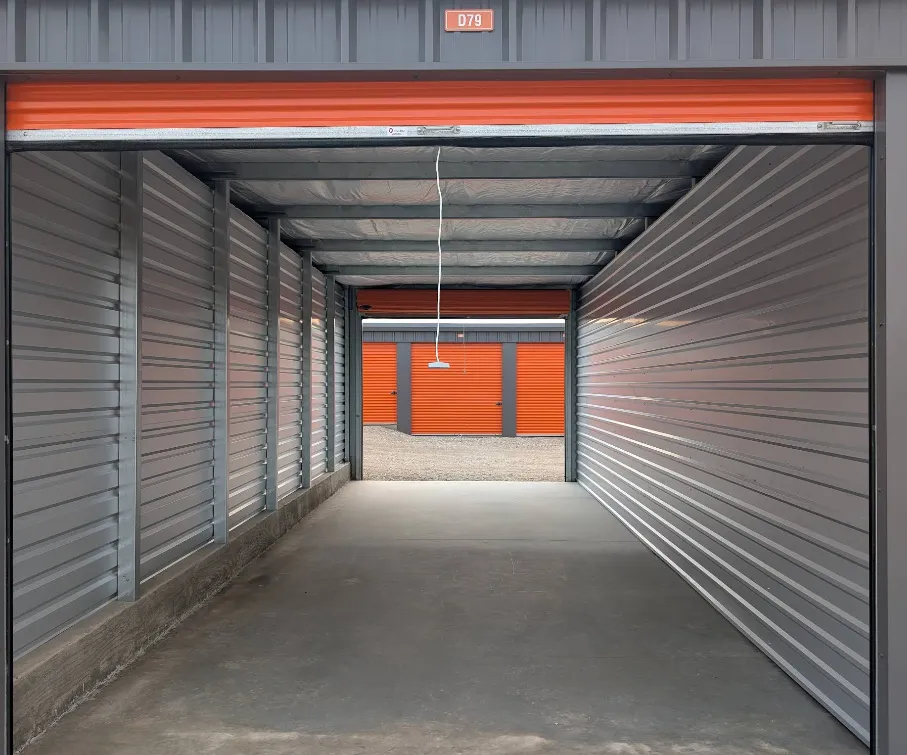
How to Choose the Right Storage Unit Size
From small closets to large garage-sized units, here's how to pick the perfect fit.

Why Self Storage Makes Moving Easier
A storage unit can take the stress out of your move. Here's how.
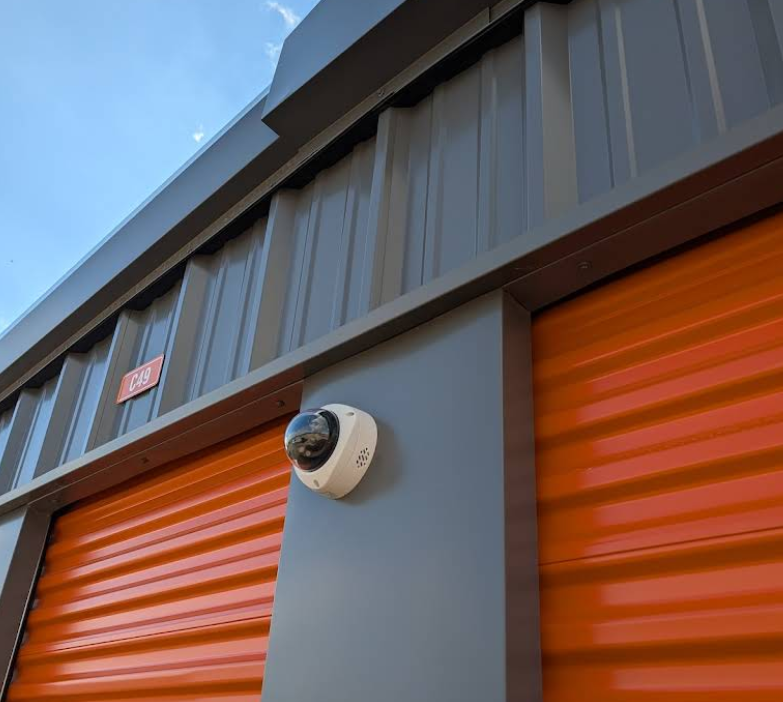
What Is Tenant Protection and Do You Need It?
Your insurance might not cover items in storage. Here's what to know.